


Foot pain changes how you move through the day. It sneaks into simple routines. Walking the dog feels longer. Grocery aisles seem endless. Even standing in line becomes noticeable.
Now imagine trying to manage that discomfort while also wanting to look put together.
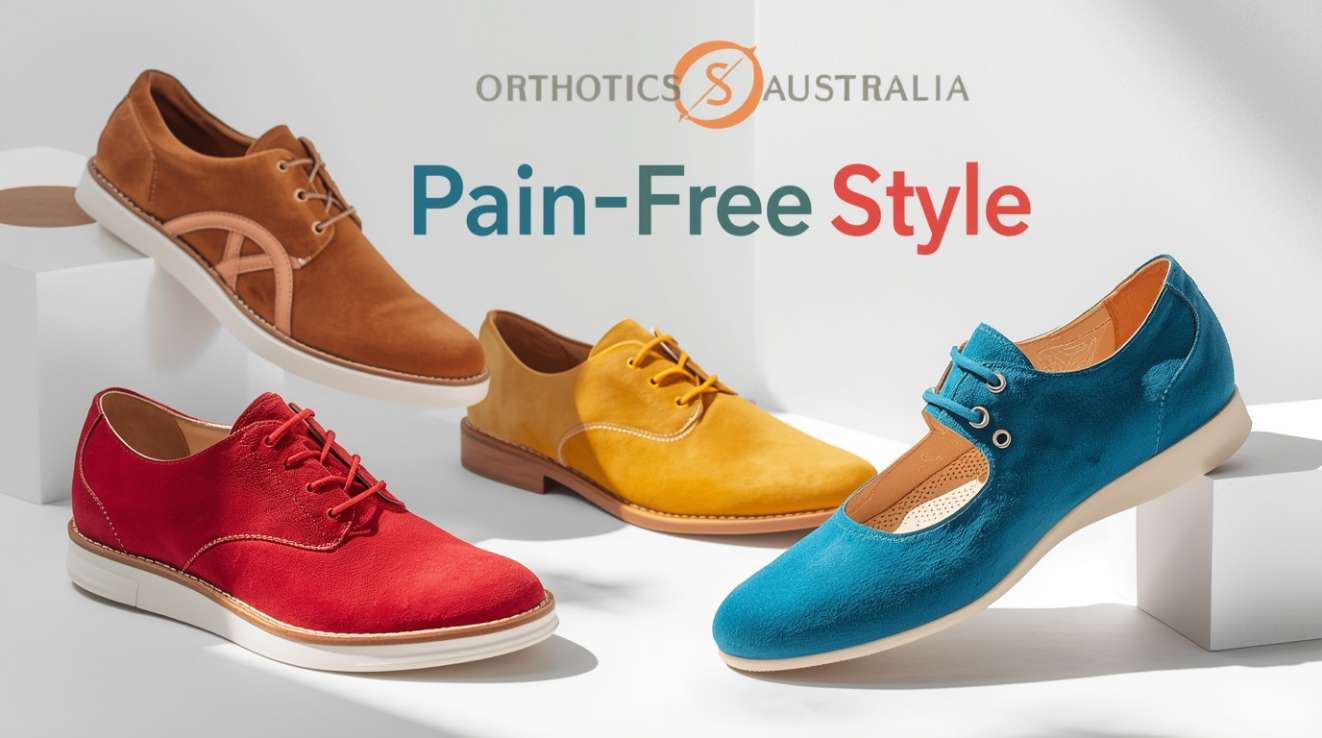
That is where fashionable shoes for orthotics Australia come into the picture. Not just medical shoes. Not clunky. Not outdated. Real shoes. Stylish ones. The kind you actually want to wear.
This guide breaks it all down clearly. What these shoes are. How they work. Why they matter. And how someone in the United States can confidently shop for options inspired by the Australian orthotic footwear market.
What Are Fashionable Shoes for Orthotics?
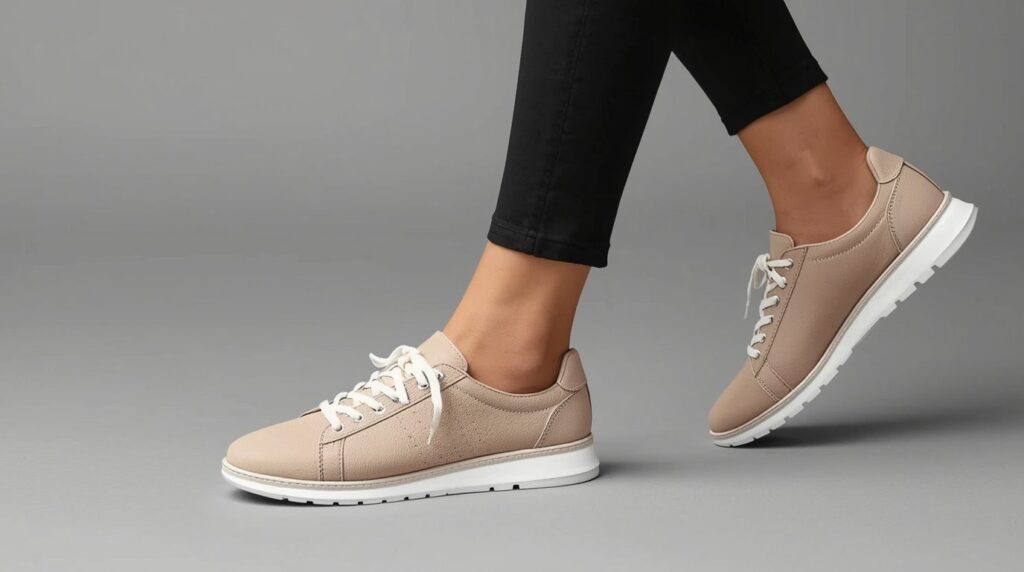
At the core, these are shoes designed to accommodate custom orthotic inserts without sacrificing style.
Orthotics are medical-grade shoe inserts prescribed by podiatrists to correct biomechanical foot issues. They help redistribute pressure, align the foot and ankle, and reduce strain on knees, hips, and lower back. According to the American Podiatric Medical Association, nearly 77 percent of U.S. adults report experiencing foot pain at some point in their lives, yet only about one third seek professional treatment. This data is discussed in several APMA publications, including reports available through the American Podiatric Medical Association website.
That gap is telling.
Many people avoid treatment because they assume they will have to wear unattractive shoes.
That assumption is outdated.
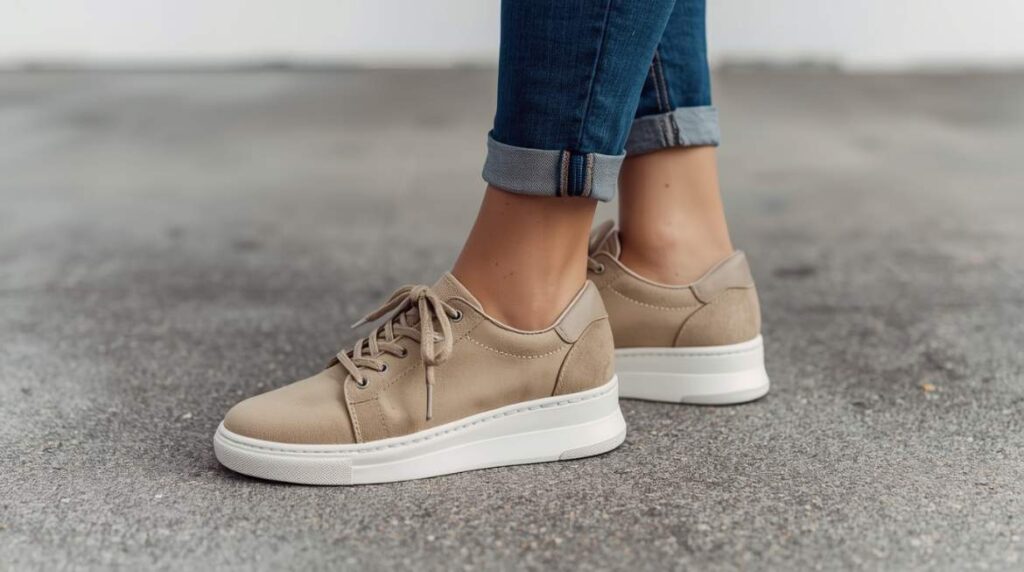
The term fashionable orthopedic shoes refers to footwear that blends medical functionality with modern aesthetics. Think sleek leather sneakers, structured flats, ankle boots with clean lines, even supportive sandals that do not scream “orthopedic.”
The Australian market has been particularly strong in this category, which is why searches for best fashionable shoes for orthotics Australia continue to grow. Australian footwear brands often prioritize wide fits, removable insoles, and podiatrist-endorsed construction while maintaining contemporary design.
You can read on : BestShoesEverShop Fake vs Real
How Orthotic-Friendly Shoes Actually Work
Let’s simplify the mechanics.
An orthotic insert works by controlling abnormal motion of the foot. For example, overpronation happens when the foot rolls inward excessively during walking. That subtle motion can strain ligaments and joints over time.
But here is the catch.
Orthotics only function correctly if the shoe supports them properly.
A suitable shoe typically includes:
Removable insoles
Adequate depth to prevent crowding
Firm heel counters to stabilize the rear foot
Supportive midsoles that do not collapse
A wide toe box to prevent compression
When you slide a rigid or semi-rigid orthotic into a flimsy ballet flat, the structure fails. The insert cannot stabilize properly. Pressure points form.
Fashionable orthopedic shoes are engineered differently. They provide a stable foundation so the orthotic can do its job.
Interestingly, many ladies orthotic shoes Australia collections are designed with slightly deeper heel cups and reinforced shanks. A shank, in simple terms, is the supportive piece between the heel and forefoot that prevents the shoe from bending in the middle.
Without that reinforcement, even the best orthotics become ineffective.
Why Style Matters More Than People Admit
Foot health is physical. Style is psychological.
Confidence changes posture. Posture affects alignment. Alignment affects pain.
There is a subtle chain reaction.
People who feel self-conscious about their footwear may alter how they walk or avoid certain social situations. That emotional layer often goes unspoken.
Fashionable orthopedic shoes for ladies address this gap. They reduce discomfort while preserving personal style identity.
A teacher on her feet all day does not want to look clinical. A corporate professional still wants sharp leather loafers. A retiree traveling across cities needs comfort without sacrificing appearance in photos.
And yes, aesthetics influence consistency. When shoes look good, people actually wear them.
Real-World Use Cases
Let’s make this practical.
Plantar fasciitis
This is one of the most common causes of heel pain. It involves inflammation of the thick band of tissue connecting the heel to the toes. Supportive shoes with orthotic compatibility reduce strain on that tissue.
Flat feet
Individuals with low arches often require motion control. Shoes that accommodate orthotics prevent excessive inward rolling.
Arthritis
Joint inflammation in the feet benefits from shock absorption and stable cushioning.
Diabetes-related foot sensitivity
Proper depth and pressure distribution reduce risk of irritation.
In these cases, the best shoes for orthotics inserts Australia brands emphasize cushioning layers that absorb impact without becoming unstable.
Comparing Standard Shoes vs Orthotic-Friendly Options
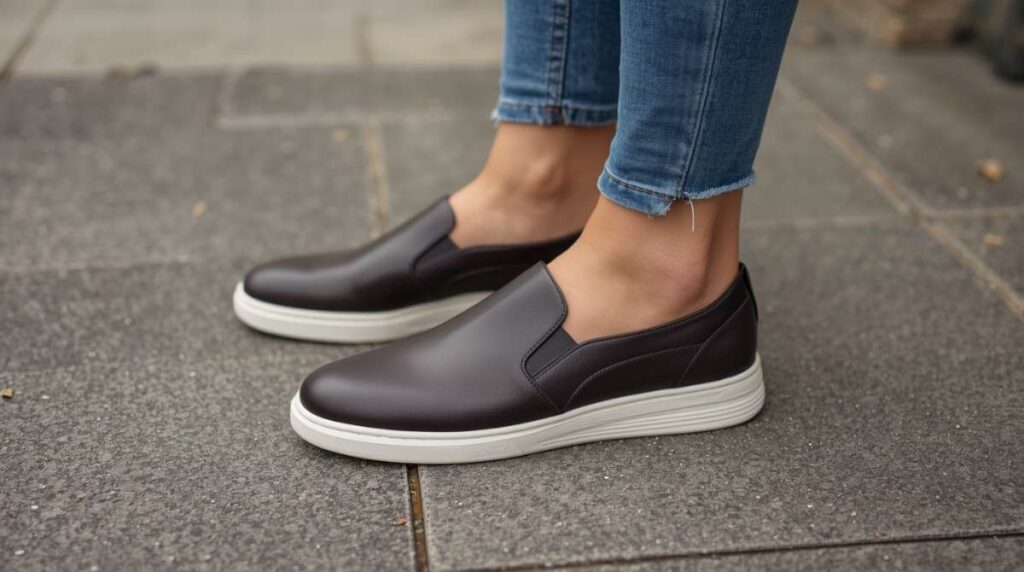
Standard Fashion Shoes
Often have glued-in insoles
Limited arch support
Narrow toe boxes
Flexible midsoles
Primarily style-driven
Orthotic-Compatible Shoes
Removable footbeds
Extra internal depth
Reinforced heel support
Shock-absorbing midsoles
Style integrated with function
The difference is structural. Not just visual.
And the market has evolved. Many fashionable orthopedic shoes now resemble mainstream designer silhouettes.
What to Look for When Shopping in the U.S.
Even though the keyword focus references Australia, American buyers can apply the same criteria.
Start with removable insoles. That is non-negotiable.
Check heel stability. Press the back of the shoe. It should not collapse easily.
Twist the shoe gently. It should flex at the ball of the foot, not the middle.
Look at toe room. Your toes should spread naturally.
Brands inspired by ladies orthotic shoes Australia design often highlight podiatrist approval or biomechanical research in their product descriptions.
Do not ignore sizing variations. Many orthotic users require half sizes or wide fits.
And here is something people forget.
Bring your orthotics when shoe shopping. Try them inside the shoe before purchasing.
It sounds obvious. Yet many skip this step.
Are There Limitations?
Yes.
Orthotic-friendly shoes can sometimes be heavier due to added structure.
They may cost more because of reinforced materials and design engineering.
Style selection, while improved, may still be slightly narrower compared to purely fashion-focused brands.
And not every trendy silhouette can support a medical insert. Ultra-thin sandals, for instance, rarely provide enough depth.
Balance is key.
The Rise of Stylish Orthotic Footwear
The demand is increasing steadily. Aging populations play a role. So does growing awareness of preventive healthcare.
A report published by the American Academy of Orthopaedic Surgeons has discussed how musculoskeletal conditions, including foot and ankle disorders, are among the leading causes of disability in adults. More information can be found on the American Academy of Orthopaedic Surgeons website.
This shift has influenced footwear brands globally.
Australian companies in particular have built strong reputations for combining medical design with urban aesthetics. That is why searches for ladies orthotic shoes Australia Sale often spike during seasonal promotions.
Consumers want relief. But they also want options.
Choosing the Best Fashionable Shoes for Orthotics Australia Inspired Designs
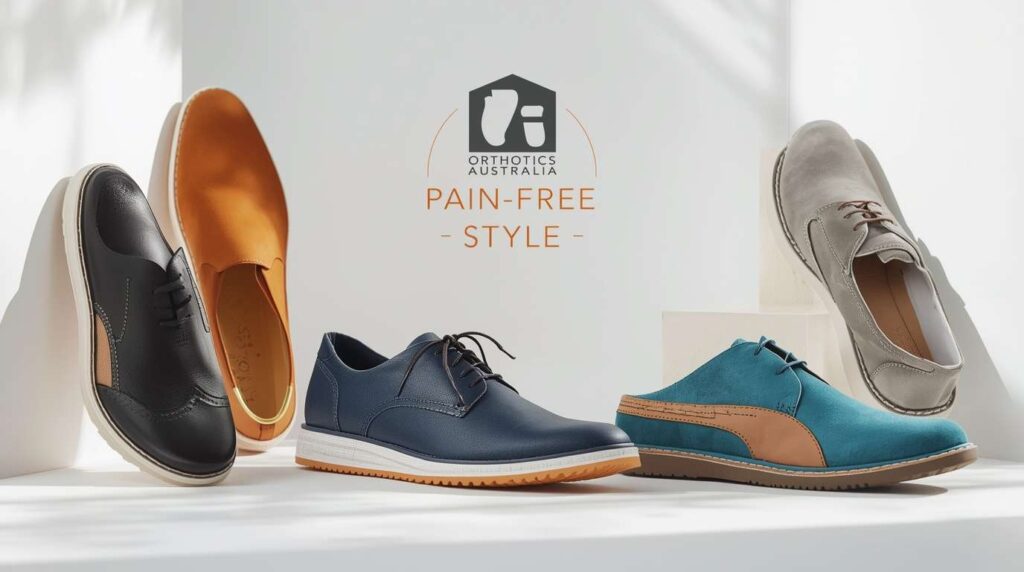
If you are evaluating options from the U.S., prioritize:
Leather or structured mesh uppers
Moderate heel heights under two inches
Cushioned yet firm midsoles
Arch-friendly removable insoles
Secure fastening like laces or adjustable straps
Slip-on shoes without structure can be risky unless specifically designed for orthotics.
Test walking indoors first. Notice pressure distribution. Pay attention to heel lift. Slight discomfort at first can be normal if your body is adjusting to corrected alignment, but sharp pain is not.
There is nuance here. Comfort should feel supportive, not squishy.
Common Mistakes People Make
Choosing shoes too small to compensate for insert bulk. This compresses the foot.
Prioritizing softness over structure. Overly soft foam collapses.
Assuming expensive equals supportive. Price does not always reflect biomechanical design.
Ignoring professional advice. If a podiatrist prescribes a specific orthotic type, follow their footwear recommendations.
And sometimes people rotate between supportive shoes and completely flat casual shoes. That inconsistency undermines progress.
Consistency matters.
The Psychological Shift
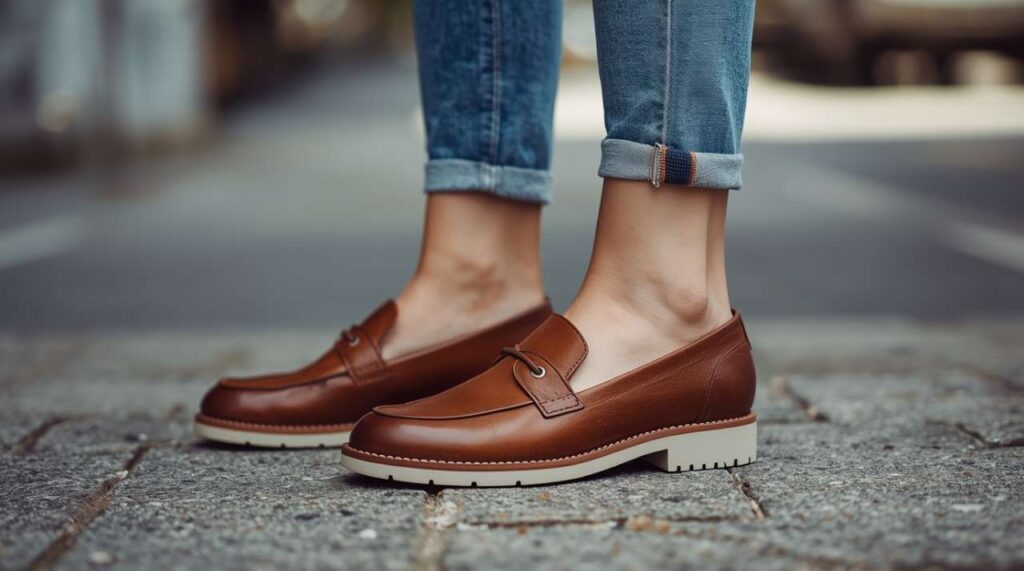
Once someone transitions into properly fitted orthotic-compatible footwear, there is often a visible change.
They walk longer distances.
They stand with more confidence.
Pain becomes background noise instead of foreground interruption.
Style returns to the conversation.
That is not trivial.
Footwear sits at the intersection of health and identity.
Also Read More About: Orthotics
Conclusion
Fashionable shoes for orthotics Australia represent more than a niche trend. They reflect a broader shift in how people approach comfort and appearance simultaneously.
Support does not need to look medical. Relief does not require sacrificing style.
With the right structural features, orthotic-friendly shoes can reduce pain, improve alignment, and help you move more freely through daily life.
The key is understanding what to look for. Removable insoles. Stable heel counters. Proper depth. Thoughtful design.
Small structural details. Big difference.
And when you find the right pair, you feel it almost immediately.
Not dramatic. Just steady. Reliable.
That quiet relief is worth it.
Frequently Asked Questions
1. Can I wear orthotics in any regular shoe?
Not always. The shoe must have removable insoles and sufficient depth. Without proper structure, the orthotic cannot function correctly and may cause discomfort.
2. Are fashionable orthopedic shoes only for older adults?
No. Many younger adults with plantar fasciitis, flat feet, or sports injuries use orthotic-friendly footwear. Modern designs are made for all ages.
3. How do I know if a shoe is deep enough for my orthotics?
Insert your orthotic and check if your heel sits securely without slipping. Your toes should not feel cramped. If the shoe feels tight across the top of your foot, it may lack depth.
4. What makes the best shoes for orthotics inserts Australia brands stand out?
They typically include reinforced heel counters, structured midsoles, removable insoles, and podiatrist-informed design. Australian brands often prioritize biomechanical support without compromising style.
5. Can orthotic shoes help with knee or back pain?
Yes. Proper foot alignment affects the kinetic chain, which includes knees, hips, and lower back. Correcting foot mechanics can reduce strain in these areas.
6. Are ladies orthotic shoes Australia collections available in the U.S.?
Some Australian brands ship internationally, and many U.S. brands follow similar design principles. Look for orthotic compatibility features rather than focusing only on location.
7. Do I need a prescription for orthotics?
Custom orthotics require a prescription from a podiatrist. However, over the counter inserts are widely available for mild support needs.
8. Why are orthotic-friendly shoes sometimes more expensive?
They use reinforced materials, biomechanical design research, and higher-quality cushioning systems. This increases durability and structural integrity.
