


Introduction
The world is full of fascinating places and concepts that remain hidden from mainstream attention, yet they hold remarkable depth and meaning. One such intriguing subject is vladivostocka. Whether you came across the term while researching geography, history, or cultural regions, you are about to discover something truly interesting.
In this detailed guide, we will explore the origins, cultural relevance, historical background, and modern-day importance connected to vladivostocka. This article is written in simple language so that anyone can understand the topic clearly, while still offering deep insights for curious readers who want meaningful information.
The Historical Background of Vladivostocka
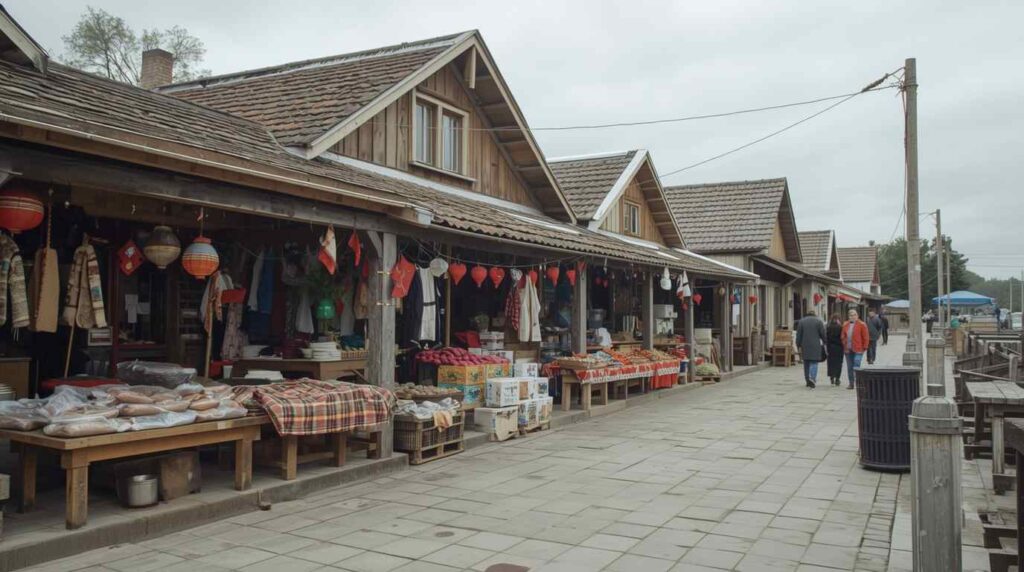
The roots of vladivostocka are closely connected with the broader historical developments of Eastern Russia and the Pacific coastal regions. The region associated with this term gained importance during the expansion of the Russian Empire in the nineteenth century, when strategic coastal settlements were established to strengthen maritime presence in the Far East.
One of the most important nearby cities is Vladivostok, founded in 1860 as a military outpost. Over time, it became a vital naval base and commercial port. Its development was closely tied to the expansion of the Trans-Siberian Railway, which connected European Russia with the Pacific coast, transforming trade and mobility in the region.
Historically, this area also witnessed significant geopolitical shifts during the early twentieth century. International trade routes, naval influence, and cross-border cultural exchanges shaped the identity of the region. Understanding these historical layers helps us better grasp the deeper meaning behind vladivostocka and its evolving relevance.
Geographic and Strategic Importance
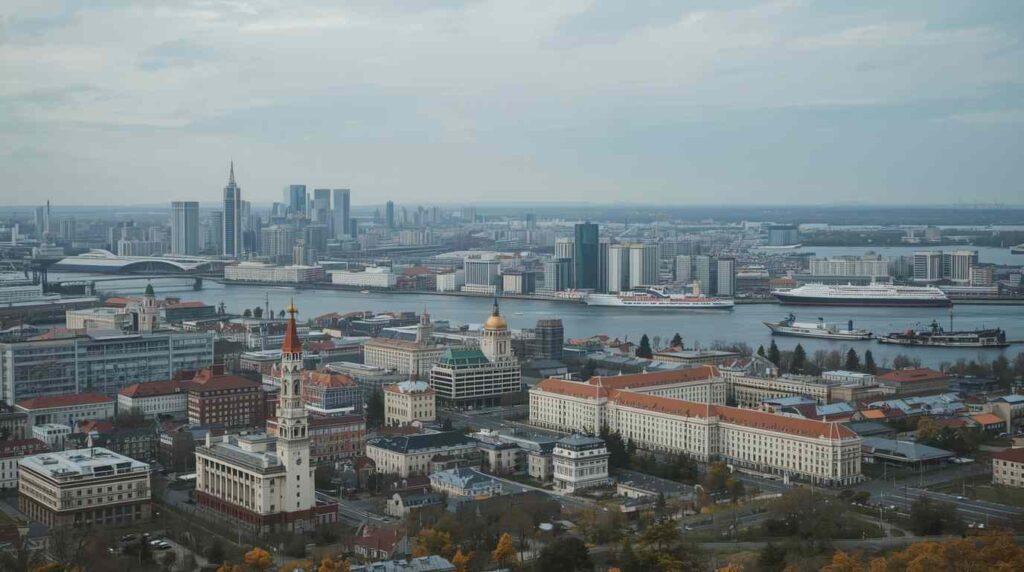
The geographical location connected to vladivostocka is one of its most defining characteristics. Positioned near the Sea of Japan and close to major Asian economies, the region has always held strategic maritime value. Its coastal access allows direct trade links with countries like China, Japan, and South Korea.
The natural landscape combines mountains, harbors, and forests, creating both economic and environmental advantages. The harbor infrastructure supports commercial shipping, fishing industries, and naval operations. This combination of natural and strategic strength has allowed the region to maintain relevance even in modern times.
From a geopolitical perspective, the Pacific coastline of Russia plays an important role in balancing regional power dynamics. Trade corridors, energy routes, and shipping lanes continue to pass near this area, reinforcing why discussions around vladivostocka often involve economic and diplomatic considerations.
Cultural Influence and Local Identity
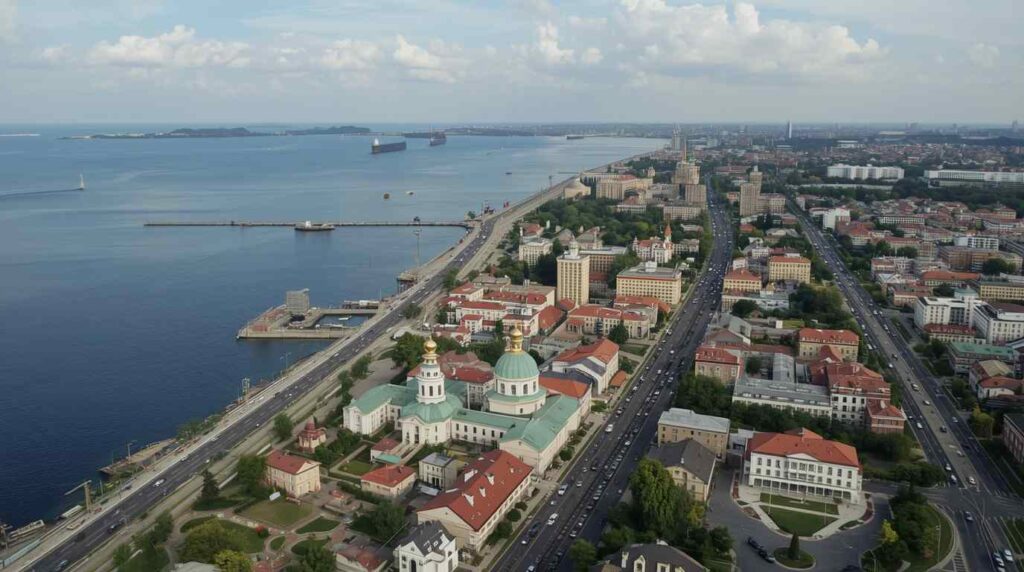
Culture in the region associated with vladivostocka reflects a blend of Russian traditions and Asian influences. Due to its geographic proximity to East Asia, the local food, architecture, and social interactions show a unique mix that differs from central Russia.
Festivals, maritime traditions, and cross-border trade relationships have shaped local identity. Markets often feature seafood, imported goods, and regional crafts that represent a vibrant coastal culture. This diversity has created a distinctive atmosphere that attracts visitors and researchers alike.
The educational and cultural institutions in nearby urban centers promote international cooperation. Universities, art galleries, and research institutes contribute to intellectual growth while maintaining historical roots. This cultural balance between heritage and modernization is one of the strongest aspects linked to vladivostocka.
Economic Growth and Modern Development
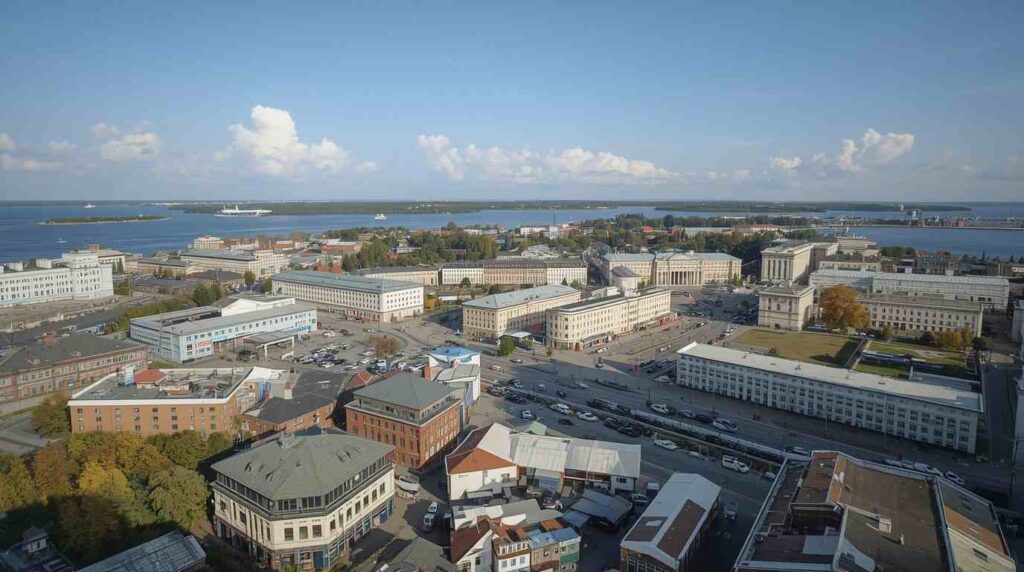
In recent decades, economic modernization has significantly influenced the region tied to vladivostocka. Government investment in infrastructure, ports, and logistics has strengthened its position as a gateway between Europe and Asia. Free economic zones and trade incentives have encouraged foreign investment.
The energy sector also plays an important role. Oil, gas, and maritime resources contribute to economic activity. Trade partnerships with neighboring countries continue to shape commercial development, increasing regional importance on a global scale.
Tourism has also expanded steadily. Visitors are attracted by scenic coastlines, historical landmarks, and cultural diversity. As global connectivity increases, the visibility of vladivostocka in international discussions continues to grow, further supporting its economic momentum.
Travel, Tourism, and Visitor Experience
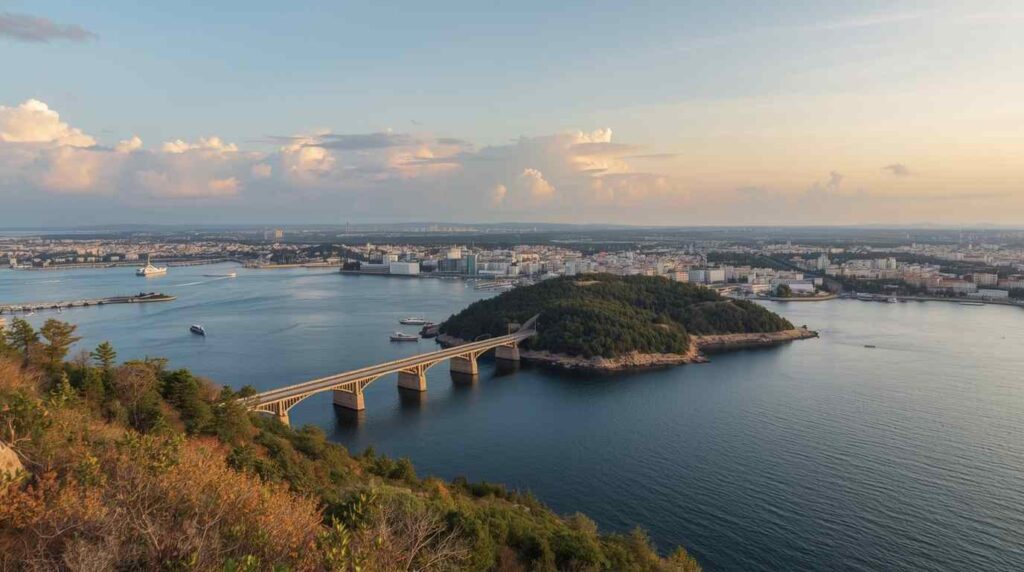
Travelers who explore areas connected to vladivostocka often describe the experience as refreshing and unique. The coastal climate offers cool breezes, beautiful sunsets, and scenic harbor views. Nature lovers enjoy hiking trails, island excursions, and panoramic viewpoints overlooking the sea.
Historical landmarks and naval museums provide insight into the region’s military and maritime past. Bridges, waterfront promenades, and modern cityscapes reflect contemporary development while maintaining historical charm. Photography enthusiasts find endless opportunities to capture stunning landscapes.
International visitors also appreciate the blend of cultures found here. Restaurants serve both traditional Russian dishes and Asian-inspired cuisine, making the culinary experience memorable. For those seeking a destination that combines history, strategy, and natural beauty, this region offers something special.
Conclusion
The journey through the history, geography, culture, and economy connected to vladivostocka reveals a story of resilience and transformation. From its origins as a strategic outpost to its modern role as an economic and cultural bridge, the region continues to evolve with global trends.
Understanding vladivostocka means appreciating its layered identity. It is not just about location, but about the blend of heritage, international influence, and forward-looking development. As global connectivity increases, its relevance in trade, culture, and geopolitics is likely to grow even further.
Frequently Asked Questions About Vladivostocka
What is vladivostocka commonly associated with?
The term is commonly connected to the Pacific coastal region of eastern Russia and its strategic maritime significance. It represents a broader cultural and geographic identity linked to trade, naval history, and cross-border influence in the Far East.
Why is the region strategically important?
Its coastal position near major Asian economies makes it vital for international trade routes and naval presence. Access to the Sea of Japan strengthens commercial shipping and energy transport networks, which increases economic value at both national and international levels.
How has history shaped its development?
Historical expansion during the nineteenth century established the area as a military and commercial hub. The arrival of the Trans-Siberian Railway improved connectivity, while geopolitical events in the twentieth century shaped diplomatic and economic relationships that continue today.
Is it a popular tourist destination?
Tourism has grown steadily over the years. Visitors are attracted by coastal landscapes, maritime museums, scenic viewpoints, and cultural diversity. The blend of Russian and Asian influences creates a travel experience that feels distinct from other parts of Russia.
What industries support its economy today?
Key industries include shipping, energy, fisheries, logistics, and cross-border trade. Infrastructure development and government investment have also strengthened economic performance, helping the region maintain international relevance.
How does culture differ from central Russia?
Due to its geographic location, cultural traditions incorporate Asian influences in food, architecture, and social interaction. This creates a multicultural environment that reflects both Russian heritage and Pacific regional connections.
